
There’s a moment every parent knows: your preschooler is on the floor, emotions turned up to maximum volume, and your brain… goes blank. You meant to be calm. You meant to say the right thing. Instead, you’re standing there holding a granola bar and questioning your entire life.
That’s where simple scripts can help—not as magic spells, but as anchors.
During a meltdown, your preschooler isn’t looking for a speech. Research shows that when children are overwhelmed, reasoning and language often don’t go as we hope.
So the goal isn’t to say more. It’s to say less, better, and calmer.
Let’s build a few go-to scripts you can stick on your fridge (or keep in your back pocket like emotional snacks).
First, a Mindset Shift: Scripts Are Starters, Not Spells
Think of scripts like trail markers, not GPS directions. Signposts that help you know which way to turn in a challenging conversation. Scripts help you respond instead of react, keep your language calm and consistent, and model emotional regulation over time. But they are not guaranteed to “fix” behavior instantly. Toddlers are learning, not performing.
Scenario 1: Tantrums (The Emotional Storm)
During a tantrum, your preschooler’s brain doesn’t allow for logical thinking. The primary objective is to calm your child before attempting to educate them.
To make these scripts easy to use during tough moments, here are some simple phrases parents can say to help their preschoolers feel supported and safe during meltdowns. Here are some suggested ‘fridge-worthy’ scripts that parents can adapt and utilize during challenging moments with their preschoolers:
- “I’m here.”
- “You’re safe.”
- “I won’t let you hit.”
- “I’ll stay with you.”
That’s it. Short. Steady. Repeatable.
Bonus (non-verbal counts!): a calm presence, a soft face, or sitting nearby can be more effective than talking.
What to avoid:
- Long explanations
- Rapid-fire questions
- Trying to “solve” the feeling mid-storm
Think of it like trying to explain fractions during a fire alarm. In other words, that’s not the moment.
Scenario 2: Encouraging Sharing (Without Forcing It)
What’s really happening: preschoolers are wired for ownership, not generosity. Sharing is a learned skill, not something they are born with. And it may take some time and patience for them to understand the concept of sharing.
The goal: teach turn-taking without shame or force.
Fridge-worthy scripts:
- “You’re using that. When you’re done, it’s their turn.”
- “They want a turn. You can say ‘not yet.’”
- “I won’t let you grab. Let’s wait.”
Why this works: you’re protecting your child’s sense of ownership, teaching boundaries and social skills, and reducing power struggles. Research shows preschoolers often struggle with emotional regulation, especially when autonomy is involved.
Scenario 3: Throwing Food / Mealtime Battles
What’s really happening: control. Toddlers are exploring their sense of control, driven by curiosity. At times, hunger motivates their behavior, while other times, they may be experiencing the opposite—feeling full or simply not interested in food.
The goal: stay neutral. Hold the boundary.
Fridge-worthy scripts:
- “Food stays on the table.”
- “If you throw, you’re telling me you’re done.”
- “You don’t have to eat, but this is what we have.”
Why it works: clear, simple expectations reduce confusion and escalation.
Scenario 4: Transitions (Leaving the Park, Bedtime, etc.)
What’s really happening: your preschooler is being asked to give up something they love. Naturally, they object.
The goal: prepare, then follow through. Using a “this, then that” dialogue can help them understand that transition is more than moving away from something they love; it’s moving to something they also love.
Fridge-worthy scripts:
- “Two more minutes, then we go.”
- “It’s hard to leave. I’ll help you.”
- “You can walk, or I can carry you.”
Why it works: predictability and limited choices reduce stress and resistance.
Scenario 5: Hitting, Biting, or Aggression
What’s really happening: big feelings + limited skills. Toddlers often experience intense emotions but have a limited ability to express them or to regulate their behavior effectively.
The goal: to set an immediate boundary and maintain a calm tone.
Fridge-worthy scripts:
- “I won’t let you hit.”
- “Hitting hurts.”
- “You can be mad. I’ll help you stay safe.”
The delivery should be short and firm—no lecture.
The Secret Ingredient: Your Tone
Your preschooler learns more from your tone than your words. Delivering these scripts calmly and reassuringly is more impactful. Your child absorbs your emotional state and learns regulation through your consistent approach.
- Calm voice = safety
- Predictable words = security
- Consistency = learning
Even when it doesn’t “work” right away, it’s working over time. Stay with it!
Keep It Simple (Your Sanity Matters Too)
If you remember nothing else, remember this:
During the storm:
- Use fewer words
- Lower your voice and keep your emotions in check
- Utilize a slower energy
After the storm:
That’s when teaching, explaining, and connecting really happen.
A Gentle Reminder
Tantrums, power struggles, and “no” phases are not signs of failure. These are signs that your child is developing exactly as they should. As one expert insight puts it: preschoolers aren’t giving you a hard time—they’re having a hard time. And your calm, simple words? They become the voice they eventually use inside their own heads. If you’d like to discuss a place for your kids at Creekside Kids, click this embedded link to schedule an appointment. Let’s get to know each other! Like us on Facebook to follow our stories for news and updates. We’re located at 1201 W Cheyenne Road, Colorado Springs, CO 80906, and we can be reached at (719) 635-9111. Our hours of operation are 6:45 a.m. to 5:45 p.m., Monday through Friday.


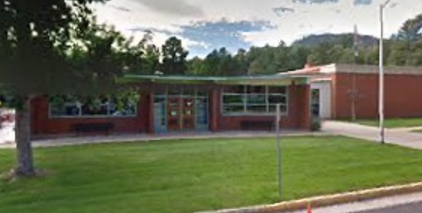 1201 W Cheyenne Rd